
African nations are progressively endorsing e-learning as a cutting-edge method of instruction that enhances students’ learning chances, knowledge, and abilities. Many African governments and educational institutions have realized that traditional classroom instruction is unable to completely address the educational needs of expanding populations due to the rapid advancement of technology. Students can study more efficiently and get ready for the digital world with the support of e-learning’s adaptable, accessible, and creative ways.
Investing in digital infrastructure is one of the main ways African nations support e-learning. Governments have increased internet access in rural areas, colleges, and schools. Countries like South Africa, Rwanda, and Kenya have implemented national initiatives that give students access to computers, iPads, and the internet. These expenditures give students access to digital libraries, virtual classrooms, and online learning materials that enhance their academic achievement.
The usage of online learning platforms in schools and higher education institutions is also promoted by African governments. Many nations implemented virtual learning platforms to maintain educational continuity both during and after the COVID-19 epidemic. These days, students use Google Classroom, Zoom, Moodle, and Microsoft Teams for discussions, courses, and homework. These platforms assist students improve their computer literacy and communication abilities while also making studying more dynamic.
Another key tactic for encouraging e-learning is teacher training. To help instructors learn how to properly use educational technology, many African nations host workshops and digital training programs. Teachers receive training in managing online classes, creating digital lessons, and utilizing multimedia presentations. Teachers can better assist students and create stimulating learning environments as their technological proficiency increases.
Additionally, e-learning encourages pupils to learn on their own. Online learning enables students to conduct research, watch instructional videos, and finish courses at their own leisure, in contrast to traditional learning, which primarily relies on classroom instruction. This enhances critical thinking, creativity, problem-solving skills, and self-control. Instead of being passive listeners, students take an active role in their education.

Partnerships with international organizations and IT businesses are another method African nations promote e-learning. Digital education initiatives in African schools have received backing from organizations like Microsoft and UNESCO. These collaborations offer financial support, instructional software, teacher preparation, and digital tools that raise educational standards.
Due to the fact that many students in Africa possess or have access to mobile phones, mobile learning has also grown in popularity. Smartphones may now be used to access educational apps and online courses, which facilitates studying even in remote locations. Because students can continue their education outside of the classroom, mobile learning is very beneficial in nations with low educational resources.
In an effort to reach more students, African colleges are likewise growing their e-learning initiatives. Students from various locations can study without having to travel great distances thanks to distance learning. Higher education is now more accessible, particularly for women, working people, and rural students. Online degree and certificate programs promote lifelong learning and offer flexibility.
Additionally, students can acquire the technological and practical skills required in today’s workforce with the aid of digital learning materials. Students learn about computer programs, online communication, data analysis, and digital teamwork through e-learning. These abilities are critical for both employment and entrepreneurship in Africa’s expanding digital economy.
Even with its advantages, e-learning is still difficult to promote in African nations. Poor internet access, a lack of electricity, a lack of gadgets, and a lack of digital skills are all present in some places. These issues frequently have a greater impact on rural populations. Nonetheless, governments and groups keep funding solutions like community digital centers, solar-powered technology, and reasonably priced internet access.
The high price of internet data and technical equipment is another issue. Many pupils from low-income families find it difficult to purchase smartphones or laptops. Some governments and non-governmental organizations offer free educational internet packages and subsidized gadgets to instructors and students in order to address this problem.
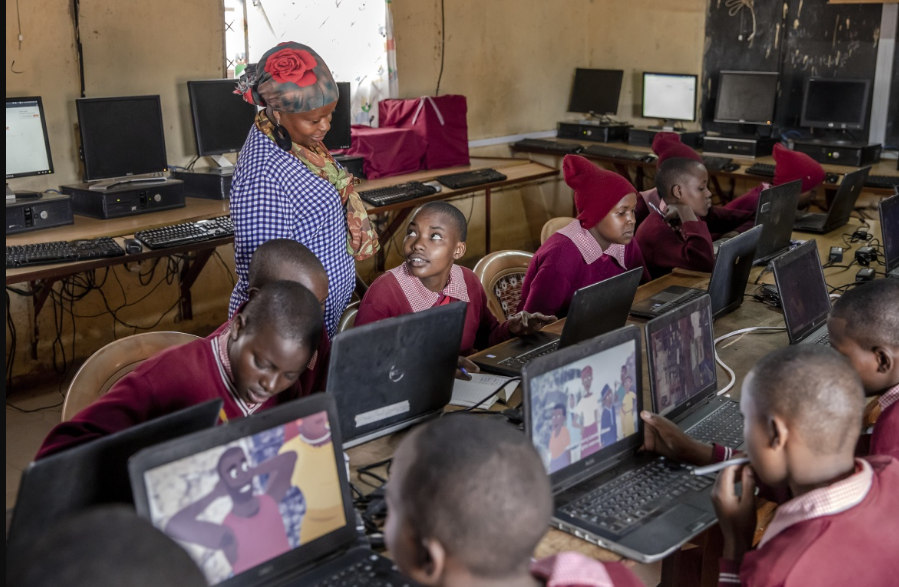
Additionally, e-learning contributes to greater educational equity throughout African nations. The same educational resources that are available to students in urban schools are now available to those in remote areas. By providing students with equal possibilities to study high-quality information from any location, online learning platforms help close the gap between developed and developing regions.
In conclusion, e-learning is being promoted in African nations as a crucial instrument for enhancing students’ skills and revolutionizing educational systems. E-learning is assisting students in acquiring the knowledge and digital skills necessary for the future through investments in technology, teacher preparation, online platforms, and worldwide collaborations. Supporting digital education will improve learning possibilities and promote social and economic growth throughout Africa, despite ongoing obstacles.