
By giving students access to global opportunities, knowledge, and skills, digital learning tools are revolutionizing education throughout African nations. Many African schools used to struggle with issues such a lack of textbooks, a teacher shortage, inadequate libraries, and a lack of educational resources. With the advent of digital gadgets, online learning platforms, and educational applications, technology has begun to lessen these issues. African kids are learning more intelligently, quickly, and interactively because to these resources.
Using smartphones and tablets is one of the main digital learning tools that empowers African students. Nowadays, a lot of students use mobile devices to interact with teachers, attend online classes, and access educational content. In many African nations, smartphones are now reasonably priced, making them valuable educational resources. Students can study science, math, languages, and other disciplines at any time and from any location with educational apps.
The advancement of African education is also greatly aided by online learning environments. Teachers and students can communicate electronically through platforms like Microsoft Teams, Zoom, and Google Classroom. These platforms enabled schools to carry on teaching and learning even when classrooms were closed during events like the COVID-19 epidemic. Because of this, even after the pandemic, a lot of African schools have kept using online learning platforms.
Another contemporary technology that is benefitting African pupils is artificial intelligence (AI). AI-powered educational tools can tailor instruction to each student’s needs. Certain programs are able to determine a student’s areas of strength and weakness and offer appropriate workouts for development. Students are also receiving immediate explanations and answers to academic questions thanks to AI chatbots and virtual tutors. This technology enhances academic achievement and promotes self-directed learning.
African students now have easier access to educational resources thanks to digital libraries and e-books. Although there may not be enough printed textbooks in many rural schools, students can download or read books online thanks to digital libraries. Compared to conventional books, e-books are more affordable and simpler to distribute. Nowadays, students have access to millions of educational resources online, which helps them develop their research and reading habits.
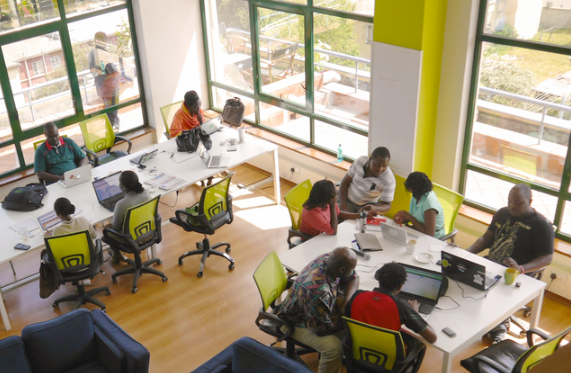
Multimedia resources and instructional videos are also enhancing African students’ educational experiences. Students can view science experiments, historical films, and arithmetic lectures on instructional channels offered by websites like YouTube. Because students can watch real-world examples rather than just read written notes, videos make learning more engaging and simpler to comprehend. Students with various learning styles might also benefit from multimedia instruction.
Virtual classrooms are another crucial digital learning resource. Through video conferencing, students from various locations can participate in lessons together in virtual classrooms. Digital notes, assignments, and presentations can be shared among educators. Students who live in rural places have equitable access to education because to this technology, which also encourages cooperation between schools. Additionally, it lessens the difficulties associated with transit and distance.
African educational systems are also benefiting from cloud computing technology. Instead of relying solely on physical storage devices, cloud storage enables schools and students to save instructional resources online. Students can use various internet-connected devices to view their projects, notes, and assignments. Additionally, teachers are able to effectively monitor students’ progress and offer feedback. Communication and structure in classrooms have improved as a result.
Internet access is now a crucial component of African students’ empowerment. To connect schools to the digital world, numerous African governments and private businesses are investing in internet infrastructure. Students who have access to the internet can interact with professionals from across the world, do research, and take part in online courses. Students’ knowledge is expanded and they are better equipped to compete globally when they have access to information.
In African classrooms, computer programming tools and coding are also growing in popularity. Students that learn to code are better able to think logically, be creative, and solve problems. To prepare kids for future employment in technology, some companies and schools are implementing robotics and computer science programs. Due to the fact that many modern jobs demand technology knowledge, digital skills are becoming increasingly important.
African kids are also benefiting from social media sites. Teachers and students occasionally share notes, assignments, and instructional conversations on social media sites like Facebook, Telegram, and WhatsApp. Students can collaborate in online study groups and share scholarly ideas. Even while social media has certain drawbacks, when used properly, it may promote education.
Students are being assessed and evaluated more effectively thanks to digital assessment technologies. Teachers can evaluate pupils more rapidly and precisely with the use of computer-based tests, online quizzes, and automated marking systems. Exam errors are decreased and time is saved with these technologies. Additionally, students get instant feedback, which enables them to pinpoint areas in which they need to improve.
Even with the advantages of digital learning resources, African nations continue to face a number of difficulties. Some schools don’t have computers, internet access, electricity, or qualified teachers. Due to a lack of technological infrastructure, rural communities are particularly impacted. Furthermore, some students are unable to purchase data bundles or smartphones for online education. In certain regions of Africa, these obstacles impede the complete adoption of digital education.
In conclusion, by expanding educational opportunities, strengthening teaching strategies, and preparing youth for the modern world, digital learning technologies are significantly empowering African students. Africa’s educational system is evolving due to technologies like cellphones, online platforms, artificial intelligence, digital libraries, and virtual classrooms. Continued investment in technology, teacher training, and internet access might assist African students attain improved educational outcomes and contribute to the growth of their countries, despite ongoing problems.