
One of the most significant instruments influencing education in Africa today is technology. Students use digital devices and internet services to enhance their educational experiences in several African nations. Printed books and classroom instruction were the mainstays of education in the past, but new methods of learning and information access have been made possible by modern technology. African students are benefiting from this change by learning more quickly and connecting with global educational possibilities.
Online learning is one significant technology advancement affecting African students. Students can attend classes, turn in homework, and interact with teachers online thanks to digital learning tools. In schools and colleges, programs like Zoom and Google Classroom have grown in popularity. Because these platforms allow students to continue their education from home or from remote locations where there may not be as many schools, learning becomes more flexible.
African pupils’ education is also being significantly shaped by smartphones. A lot of students use their phones to chat with classmates, watch tutorials, read e-books, and look up educational resources. Many families can afford smartphones since they are less expensive than laptops. Students can readily obtain knowledge and enhance their academic performance even when they are not in the classroom thanks to mobile technology.
Another contemporary technology that is transforming education in Africa is artificial intelligence (AI). By offering individualized learning experiences, AI-powered systems can improve students’ comprehension of courses. Research, writing, and problem-solving activities are supported by tools created by firms like OpenAI. Additionally, AI assists educators with class planning, assignment marking, and identifying students who might want extra help with their academics.
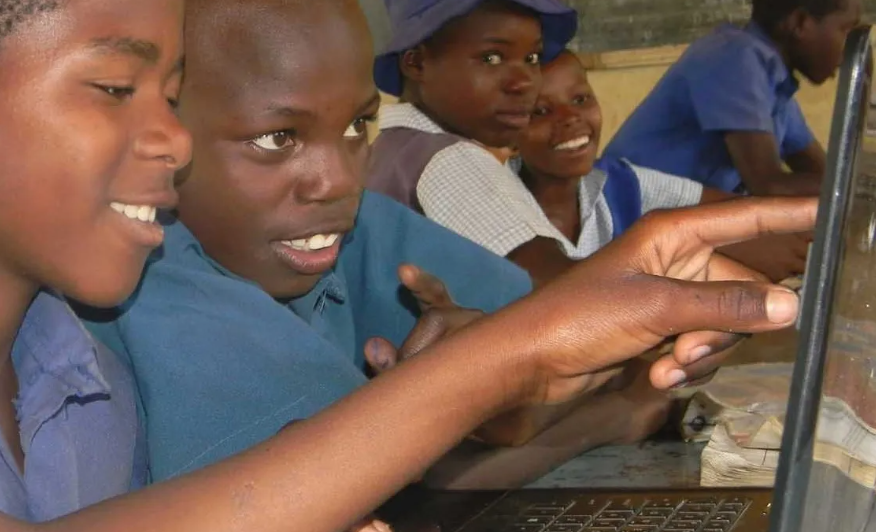
Information access has significantly enhanced thanks to digital libraries and online educational resources. Textbooks are frequently inadequate or out-of-date in many African schools. However, hundreds of digital books, journals, and research materials are now available to students via the internet. This enables students to expand their knowledge and develop their research abilities. Students are also encouraged to study independently and think critically by using digital learning materials.
African students’ advancement in science, creativity, and innovation has also been aided by technology. Computer programming, robotics, and coding are being taught in many schools and educational facilities. To prepare their youth for the workforce of the future, nations like South Africa, Rwanda, and Kenya are investing in technology education. These days, students are creating digital projects, websites, and applications that address issues in the community.
African students’ educational experiences have also been impacted by social media platforms. Learning resources and instructional content are frequently shared on platforms like YouTube and WhatsApp. Students can participate in online lessons, join academic discussion groups, and share ideas with students around the world. These resources facilitate group learning and increase students’ comprehension of many topics.
Virtual and remote learning is another significant technical development. With the help of internet-based learning platforms, radio classes, and television shows, students in remote locations can now receive a high-quality education. For students who are unable to consistently attend traditional schools, distance learning offers options and lowers educational barriers. In many African communities, this has led to an increase in educational inclusiveness.
Despite these advantages, there are still a number of issues with technology in African education. Inadequate internet access, a lack of electricity, and a scarcity of digital devices are common in rural locations. Some schools lack sufficient computers or qualified instructors who are adept at utilizing contemporary technology in the classroom. Students in urban and rural areas experience inequality as a result of these difficulties. Across the continent, governments and organizations are striving to enhance infrastructure and broaden digital education initiatives.
In conclusion, African students’ life and education are being positively transformed by new technologies. It is facilitating communication, fostering creativity, expanding access to educational resources, and getting pupils ready for a digital future. Technology continues to open doors for academic advancement throughout Africa, despite certain obstacles. African students may become more successful and competitive in the global economy with ongoing investments in digital education and infrastructure.