
Education, health, and technology are significant fields that support the social and economic advancement of African nations. Because advancements in one field frequently spur advancements in the others, these industries are interrelated. Health guarantees that people stay active and productive, education gives people information and skills, and technology offers contemporary tools that enhance learning, communication, and the provision of healthcare. As African nations strive for modernization and sustainable development, the connections between these sectors have grown in significance.
Due to colonialism, poverty, inadequate infrastructure, and little funding for science and technology, many African nations have historically had significant problems with healthcare and education. While hospitals and clinics struggled with a lack of medications, medical supplies, and qualified healthcare personnel, schools lacked sufficient books, classrooms, laboratories, and qualified teachers. In many African communities, these circumstances hindered development and had an impact on quality of life. Governments and international organizations consequently started looking for methods to use technology to enhance health and education systems.
Africa’s educational system has seen a significant transformation because to technology. Access to information and communication has been enhanced by the use of computers, smartphones, internet services, and digital learning platforms. These days, a lot of colleges and institutions use online learning platforms that let students access courses and instructional resources from various places. Additionally, technology has made research simpler for educators and learners, enabling them to access information from around the world. Learning opportunities have risen as a result of this digital transition, particularly for youth.
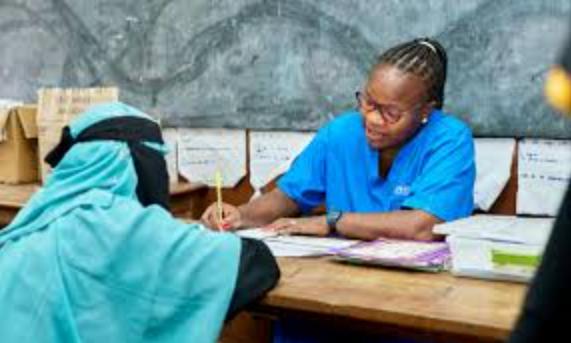
The success of education in African nations is significantly influenced by health. Students in good health are more likely to attend class on a regular basis, pay attention in class, and do better academically. However, many students and educators throughout Africa have been impacted by illnesses including hunger, HIV/AIDS, malaria, and tuberculosis. In many communities, health issues that interfere with education are also caused by poor sanitation and a lack of clean water. In order to assist students’ physical and mental wellbeing, governments and organizations have implemented school health initiatives.
Africa’s healthcare systems have also benefited from technology. Digital tools are being used by hospitals and health institutions to communicate medical data, diagnose illnesses, and save patient information. Through mobile phones and internet connections, telemedicine enables medical professionals to treat patients in faraway locations. Additionally, mobile health applications assist communities in learning about emergency medical services, maternity care, and illness prevention. Numerous lives have been saved and access to healthcare has expanded because to these technical advancements.
The COVID-19 epidemic made it abundantly evident how closely technology, health, and education are related in Africa. Many nations used television shows, radio classes, and online learning to continue instruction when schools were shuttered to stop the disease’s spread. During the health crisis, technology became a vital tool for teacher-student communication. Healthcare professionals employed digital technologies to monitor the virus’s transmission and exchange medical information at the same time. This event demonstrated how, in an emergency, technology can help with both health and education.
Education also aids in people’s comprehension of the significance of technology and health in day-to-day living. Students get knowledge about illness prevention, nutrition, cleanliness, and responsible technology use through instruction. In addition to encouraging healthy lifestyles, schools teach students how to use digital gadgets sensibly and safely. People with higher levels of education are more likely to seek medical attention, heed health recommendations, and make effective use of technology. Therefore, in African countries, education promotes both technological advancement and public health awareness.
Even with the advancements, combining technology, health, and education remains a problem for African nations. Electricity, internet connectivity, modern medical facilities, and digital learning tools are still lacking in many rural places. Some households cannot afford laptops, smartphones, or school fees due to poverty. In many areas, there is also a lack of qualified educators and medical personnel. These difficulties impede progress and lead to disparities between rural and urban areas.
In conclusion, the growth of Africa depends on the closely related fields of technology, health, and education. While education enables people to comprehend health challenges and make efficient use of technology, technology enhances learning and healthcare services. Additionally, improved productivity and academic achievement are supported by good health. To enhance the quality of life for people throughout the continent, African governments and their foreign partners continue to invest in digital education, healthcare systems, and technological innovation. Africa can make more strides in health, education, and technology with sustained assistance and funding.