
Sub-Saharan African nations’ social and economic development is significantly influenced by education. It raises living standards, lessens poverty, and gives people and communities more opportunity. There are still significant disparities in the availability and quality of education across various nations and areas, despite the fact that many of the region’s nations have increased access to education. For all students in Sub-Saharan Africa to have equal opportunities, closing the educational gap is crucial.
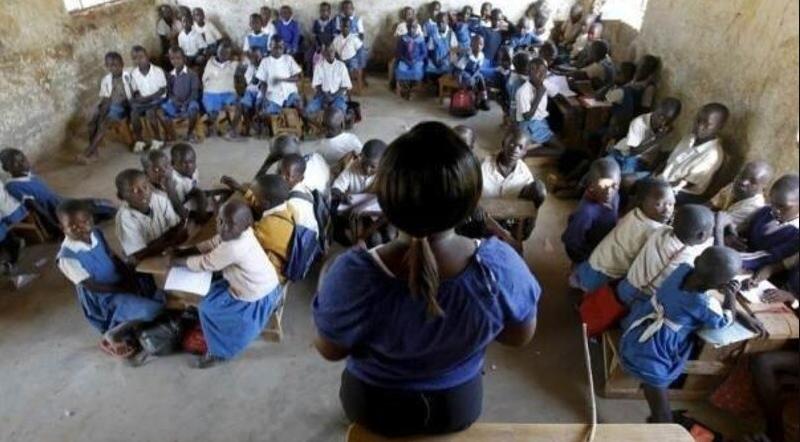
Inadequate school infrastructure is one of the primary reasons of the education gap. There are insufficient classrooms, furniture, libraries, labs, and sanitary facilities in many rural schools. Due to the lack of learning areas, some kids study in crammed classrooms or beneath trees. Many kids are deterred from regularly attending school by poor infrastructure, which also has an impact on the quality of instruction and learning.
Another significant issue influencing education in Sub-Saharan Africa is poverty. Exam fees, books, transportation, and school outfits are beyond the means of many families. Some youngsters are compelled to leave school due to financial hardships and work in small companies, farming, or mining to provide for their families. To assist children from low-income households in continuing their education, governments and development organizations continue to implement free education programs and scholarships.
The education gap is also exacerbated by a lack of professional training and a paucity of teachers. There are very few certified teachers in some nations, particularly in isolated rural areas. Some teachers manage very big classrooms, which makes it challenging to give each student high-quality training. The region’s educational systems can be strengthened by enhancing teacher training institutions, raising teacher pay, and supplying instructional resources.
In Sub-Saharan Africa, technology is starting to play a significant role in enhancing education. Students are finding it easier to obtain information thanks to digital learning resources like computers, smartphones, online courses, and educational television shows. To enhance learning opportunities for children in both urban and rural locations, nations like Kenya and Rwanda have made investments in digital education initiatives.
Digital education is still severely hampered by certain communities’ lack of electricity and internet connectivity. The use of contemporary educational technology is restricted in many rural schools due to unreliable power supplies and internet connectivity. To enhance digital learning, governments and private businesses are collaborating to bring internet and electricity to distant locations.
In certain Sub-Saharan African nations, gender inequality also plays a role in the education gap. Girls in some societies confront obstacles such early marriages, domestic duties, and cultural attitudes that hinder female education. Consequently, a lot of girls don’t finish their education. More girls can stay in school and achieve academic success if gender equality is promoted through scholarships, awareness programs, and protective legislation.
In many African nations, learning outcomes are impacted by language hurdles. Instead of teaching students in their own tongues, foreign languages like English, French, or Portuguese are frequently used. When lessons are not given in a language that they are acquainted with, young students may find it difficult to comprehend them. Understanding and engagement in the classroom can be enhanced by using local languages in early education while progressively introducing foreign languages.
In many Sub-Saharan African nations, political unrest and violent wars have had a detrimental impact on educational systems. Millions of children’s education is disrupted, schools are destroyed, and families are uprooted due to war and violence. Children who are internally displaced or refugees frequently have trouble getting an education. In times of crisis, children’s right to education must be safeguarded through peacebuilding initiatives and emergency education programs.
The region’s educational advancement is also impacted by health issues. Students’ focus and attendance at school are impacted by illnesses like malaria and malnutrition. Lack of clean water and inadequate healthcare services can raise student absenteeism. Improved sanitation facilities, medical assistance, and school nutrition programs can all help pupils stay healthier and do well academically.
In order to decrease the education gap, regional collaboration among African nations is crucial. To enhance learning systems, nations can exchange educational policies, instructional techniques, and technology advancements. In order to raise educational standards throughout Africa, organizations like the African Union continue to foster collaborations and educational reforms.
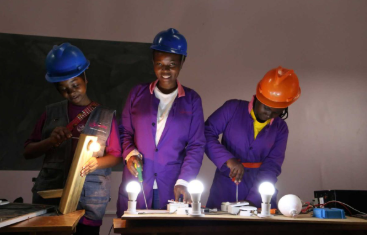
In Sub-Saharan Africa, vocational and technical education is crucial for reducing unemployment and advancing economic growth. A large number of young people require practical skills in fields like computer technology, engineering, carpentry, and agriculture. Students can acquire skills that equip them for job and entrepreneurial prospects by expanding vocational training facilities.
In conclusion, governments, communities, educators, parents, and foreign partners must work together to close the education gap among Sub-Saharan African nations. To ensure that everyone has access to high-quality education, it is crucial to support educators, invest in technology, encourage gender equality, improve school facilities, and lower poverty. Sub-Saharan Africa can develop more robust educational systems that give its citizens better futures with sustained dedication and investment.