
Globalization, economic growth, and technological improvements are predicted to have a significant impact on education in African nations in the future. In order to satisfy the demands of contemporary societies and prepare students for the workforce of the future, education systems throughout Africa are gradually changing. In order to enhance learning environments, expand access to high-quality education, and encourage digital learning, governments, educational institutions, and international organizations are funding educational reforms. Even if there are still a lot of obstacles to overcome, there are plenty of chances to support the development and success of African educational institutions.
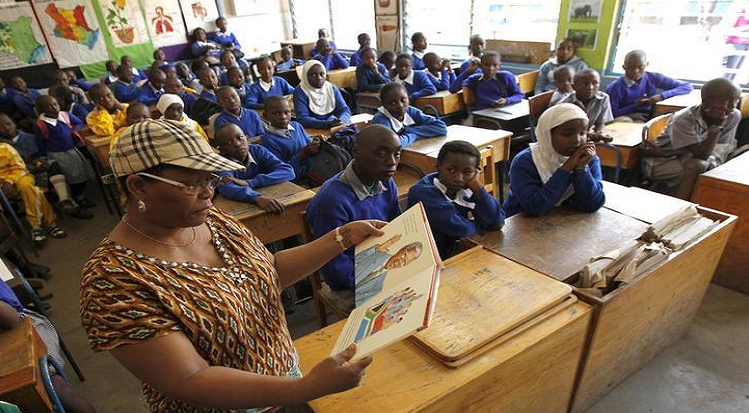
Inadequate infrastructure is a key problem for education in African nations. Classrooms, libraries, labs, electricity, clean water, and internet connectivity are all lacking in many schools, particularly in rural areas. Teaching and learning are challenging due to packed classrooms and a lack of educational resources. Students in some neighborhoods must walk a considerable distance to get to school, which has an impact on their academic performance and attendance. It is challenging to give every student a high-quality education without the right infrastructure.
The lack of qualified teachers is another significant issue. Training and retaining qualified teachers is a challenge for many African nations, particularly in the fields of science, math, and technology. Some educators have inadequate resources, low pay, and unfavorable working conditions. As a result, pupils might not receive enough support to succeed academically, and the quality of education might deteriorate. Motivation and teacher preparation are still significant problems that require addressing.
The future of education in Africa is also impacted by poverty. Many families find it difficult to supply their kids with educational resources, clothing, or school fees. Some children leave school early to work and help their family due to financial concerns. Additionally, child labor, early marriages, and low school attendance—particularly among girls—are all influenced by poverty. In many developing African countries, these issues impede the advancement of education.
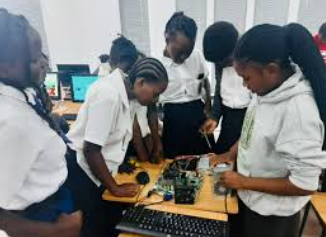
Despite these challenges, technology presents excellent opportunities to improve education in Africa. Digital learning platforms, online courses, educational apps, and artificial intelligence have made it easier for students to acquire information. Many schools are using computers, iPads, and internet services to support modern teaching methods. Students in rural areas can also learn thanks to technology through virtual classes and online learning resources.
The increasing use of mobile phones in Africa is another important educational opportunity. Many educators and students now have access to educational resources through smartphones and mobile apps. Remote learning, communication, and research are all made easier by mobile technology. During situations like disease outbreaks or natural disasters, online learning platforms allow students to continue their education even while schools are closed.
Additionally, African countries are working to boost investment in the education sector and enhance education policies. To encourage more kids to attend school, many nations are implementing free primary and secondary education programs. To meet the demands of contemporary education, governments are constructing additional schools, educating educators, and enhancing curricula. Future educational systems may be strengthened and made more efficient with the aid of such improvements.
The increasing emphasis on technical and vocational education presents another potential. Students in African nations are encouraged to acquire practical skills in technology, engineering, agriculture, and entrepreneurship. Vocational training lowers unemployment and enables young people to work for themselves. Students may support innovation and economic progress in their nations by acquiring digital and practical skills.
Educational progress is also being supported by partnerships between African nations and international organizations. Governments collaborate with organizations like the African Union and the United Nations Educational, Scientific, and Cultural Organization to support digital transformation in schools, advance gender equality, and increase educational access. These collaborations support the development of African educational systems by offering financial support, instructional materials, and training.
In several African nations, where cultural customs, poverty, or early marriages may prevent girls from attending school, gender inequality is still a problem. Nonetheless, a number of governments and organizations are supporting girls’ education through awareness campaigns, scholarships, and encouraging learning settings. Girls’ education improves communities’ social and economic conditions and advances the country.
In some places of Africa, warfare and climate change can have an impact on education. Schools may be destroyed by floods, droughts, wars, and political unrest, forcing students to cease their education. Children of refugees and displaced students frequently find it difficult to pursue higher education. Therefore, African nations need to create more robust structures that can safeguard education in times of crisis and emergency.
Innovation and adaptation to global developments will be critical to the future of education in Africa. STEM (science, technology, engineering, and mathematics) courses, as well as digital literacy and problem-solving abilities, are projected to receive increased attention in schools. Students will require knowledge that will help them compete in the global economy and prepare them for current occupations. Therefore, in order to satisfy future demands, education institutions must continue to evolve.
In conclusion, there are both possibilities and problems for education in African nations in the future. Many students are still impacted by issues including poverty, inadequate infrastructure, teacher shortages, and inequity. But there is promise for progress because to multinational collaborations, technology, educational reforms, and vocational training. African nations can create more robust educational systems that will equip students for prosperous futures and promote the continent’s overall growth if they keep funding innovation and high-quality education.